-
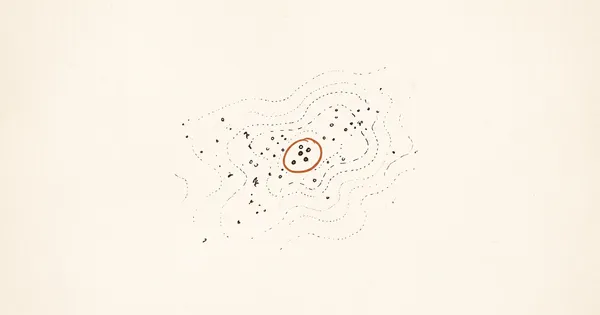
No. 01Explainer
Meaning as a place
How embeddings turn text into points on a map, why nearby means similar, and where that breaks.
5 steps · 7 min · updated 2026-11-13
-
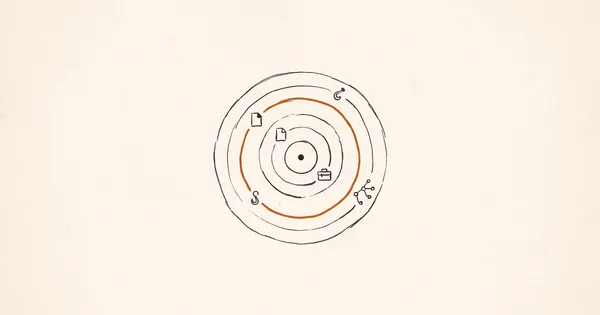
No. 02Explainer
What happens when you press Enter
The layers around one request in Claude Code: instructions, skills, tools, hooks, subagents and connections, and where your team rules belong.
7 layers · 8 min · updated 2026-11-13
-
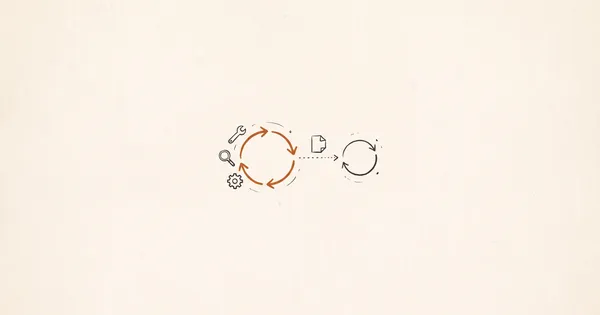
No. 03Explainer
An agent is a loop with tools
Four building blocks of an AI agent, from a filled-in prompt to agents handing work to each other.
4 blocks · 7 min · updated 2026-11-13
-
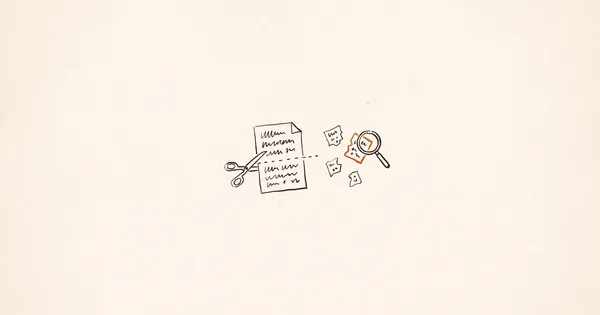
No. 04Explainer
From document to answer
What happens between uploading a document and getting a cited answer: reading, cutting, embedding, storing, searching and ranking.
6 stages · 8 min · updated 2026-11-13
-
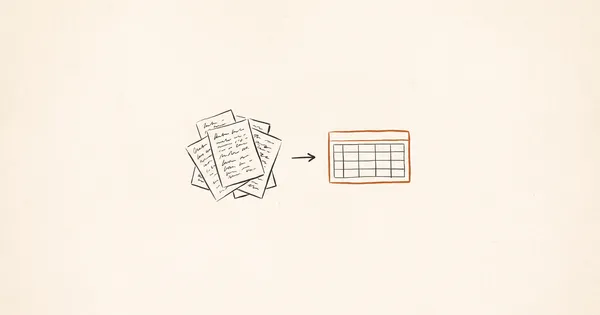
No. 05Explainer
When look-alike documents fool the search
Why similarity search mixes up near-identical documents, and how storing facts on the record they belong to fixes it.
4 steps · 6 min · updated 2026-11-13
-
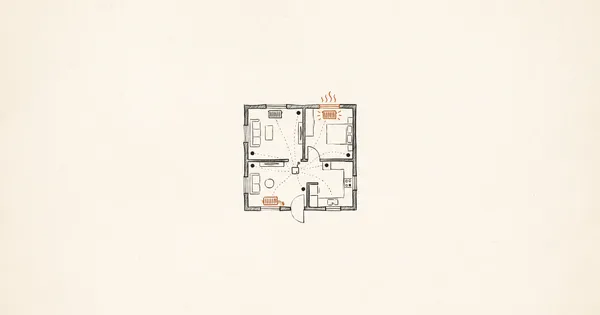
No. 06Explainer
From sensor to automation
How a smart home decides: states, triggers, conditions and actions, tested on one cold evening, plus where an AI assistant may help.
4 steps · 7 min · updated 2026-11-13
-
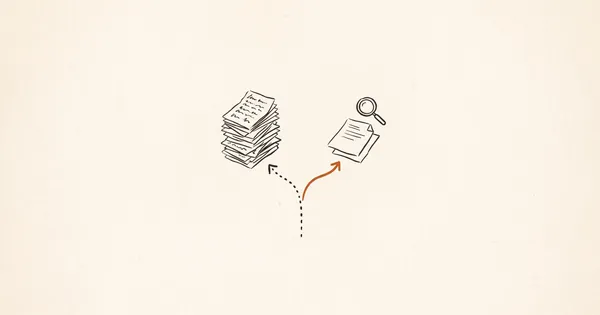
No. 07Decision tool
Do you need a vector database?
A four-question decision tool: put everything in the prompt, compress it first, search pieces, or look up records.
4 questions · 5 min · updated 2026-11-13
-
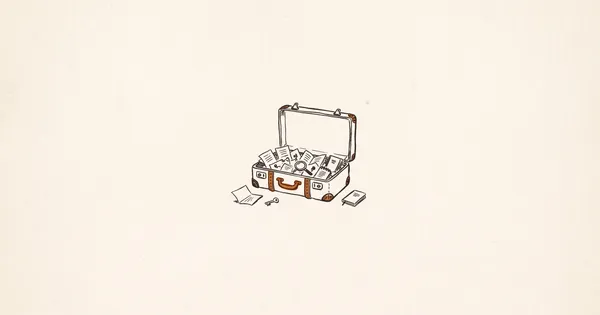
No. 08Explainer
What fills the window
The context window as a suitcase: what takes space in a long session, what happens when it is full, and four ways to pack lighter.
4 moves · 6 min · updated 2026-11-13
-
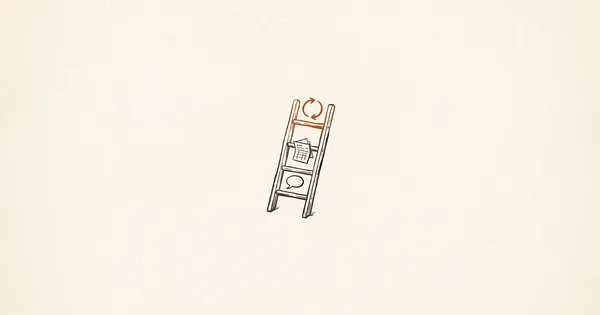
No. 09Decision tool
How much autonomy does this job need?
One office job solved five ways, from a single prompt to several agents, and a quick check to place your own idea.
5 steps · 5 min · updated 2026-11-13
-
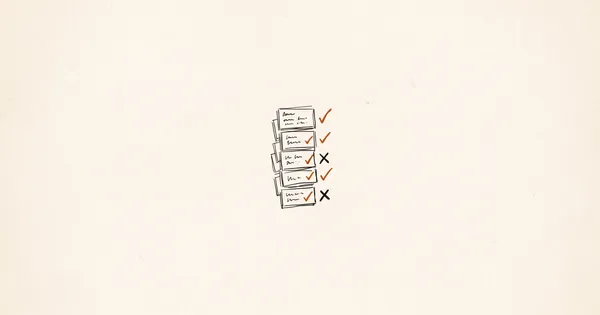
No. 10Explainer
How do you know it got better?
Grade AI answers yourself, write the rules down, compare two versions and read what got worse.
4 steps · 7 min · updated 2026-11-13